Preservation

Here at the National Videogame Museum our aim is to collect, preserve, exhibit and interpret videogames for all to enjoy. 

Our collection explores videogame culture through our interactive exhibits and unique object displays. It features a mixture of donated items, acquisitions and loans and quite often we step in to save, restore and preserve past loved objects from disappearing forever.

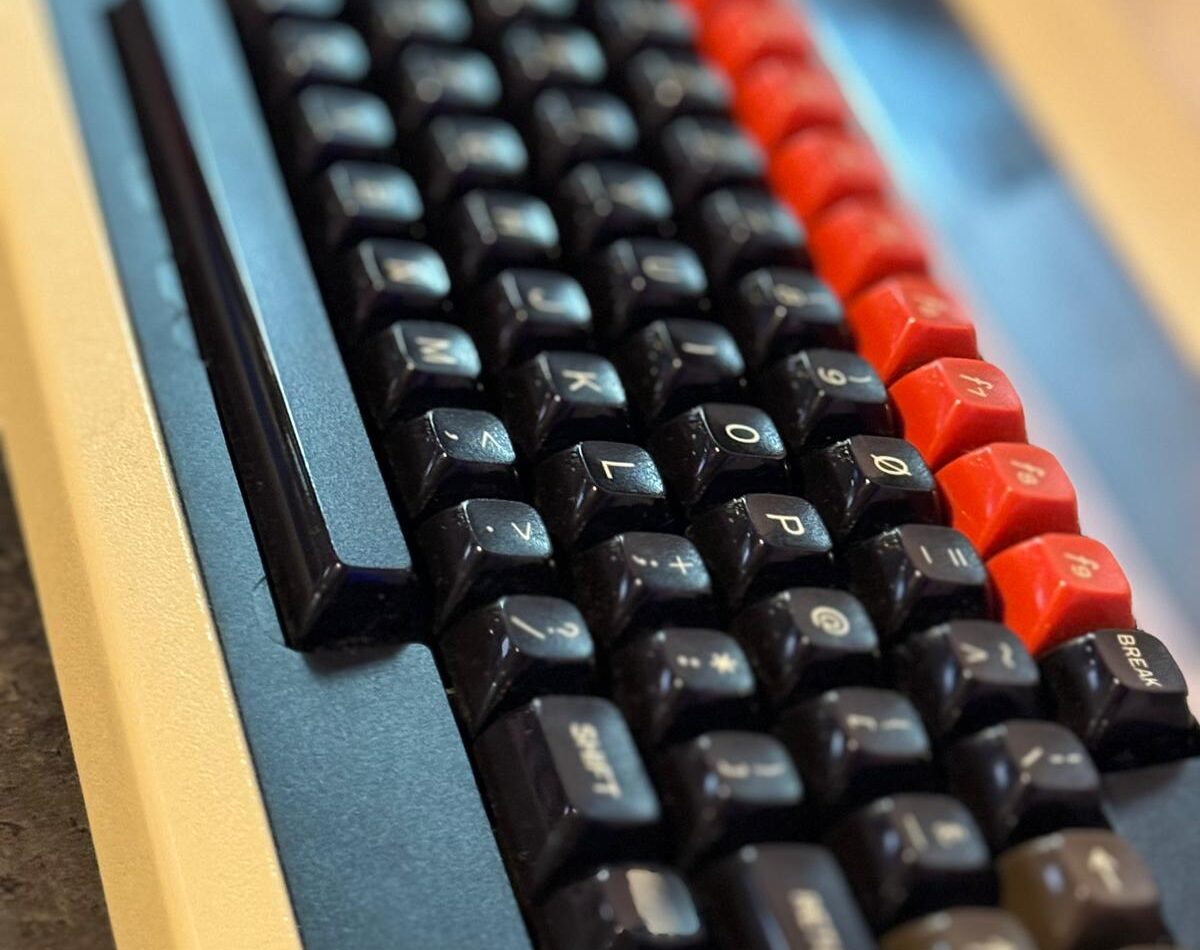
A recent acquisition was a BBC Micro computer. Unloved, in need of repair and destined for a recycling centre in Derby it was rescued from obscurity. It is now be a prominent feature in a brand new cabinet display showcasing objects from the last 50 years of videogame culture which was part of a summer revamp of the Museum.
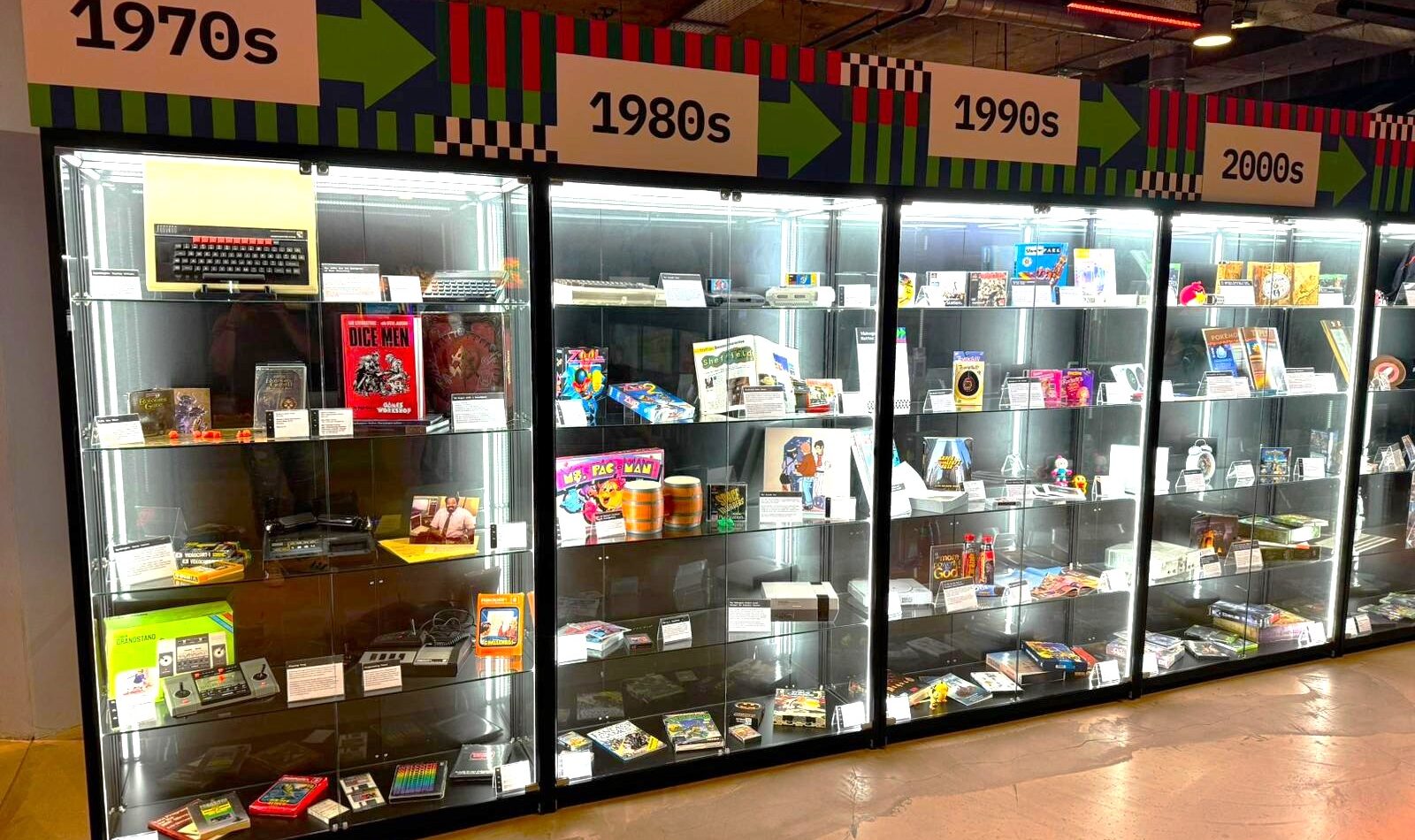
BBC Micro Computer now features in a new timeline cabinet
The BBC Micro was found in disrepair

Saving an 80’s Icon

In November 2023, we were contacted by the team at Derbyshire County Council’s Waste and Resources department. They had come across an item of interest that had recently been dropped off for recycling. Once pointed out, the contractors on site instantly recognised the item – a true staple of all UK schools in the 1980’s and early 1990’s.

It was a BBC Micro Model B Computer.

Originally released in 1981, the BBC Micro was an 8 bit home computer developed by Acorn Computers as part of the BBC Computer Literacy Project and was designed to be used in a school environment. Using BBC Basic as its main computer language, it generated a large offering of educational and gaming software. It sold over 1.5 million units until its discontinuation in 1994. BBC Micro Computers like this one played a huge role in digital literacy for those growing up in the UK in the 1980’s and 90’s.

Eagle-Eyed Saviour

It was eagle-eyed Ilkeston resident, Matthew Bostock, who originally spotted the BBC Micro computer at his local recycling centre. Immediately recognising the iconic computer from childhood, he alerted the staff at the centre to save it from being recycled.

Recalling the discovery of the BBC Micro, Louise Bradley, Strategy and Engagement Officer at DCC Waste and Resources said, “A member of the public wanted to buy it as it was a collector’s item!” However, as they are unable to sell items on site it was suggested that it should be donated to a Museum. Thus, we were contacted.

“I am just pleased that we saved this item rather than it being recycled or going for scrap,” Matthew adds, “Thanks to the staff at the recycling centre for helping to rescue it when I pointed it out and to the county council for finding such a good home for it.”

Matthew visited the NVM to see the computer on display
The BBC Micro Computer is now part of the NVM’s collection of over 5000 objects

Finding a New Home

As part of our collecting process, the donation of the computer was discussed at our regular Acquisitions Forum. Here we make decisions about any new objects we have been offered or would like to purchase for our collections. Ann, Our Collections Officer, says, “Museums have a responsibility to look after all the objects in our collections on behalf of the public, so we need to be sure that we have the resources to take good care of anything we collect, and that the object will support our overall mission statement and purpose.”

John O’Shea Creative Director at the NVM adds “We welcome this addition to our museum and thank the county council for donating it to us. It’s a special item helping to tell a story of British innovation in the 1980’s and 90’s and it shows how computing is integral to education right up to the present day.”

BBC Micro Restoration

Despite its 40+ year age, the computer was cosmetically in fairly good condition. Unfortunately though, it no longer worked. Happy to accept it, we felt it would be an ideal display piece or a potential source for spare parts for our existing BBC Micro. 

As part of our mantra for preservation, our technician Gordie, set out on the mission to restore the computer to its former glory. Again, like its outside shell, internally the computer was fairly clean and in good condition. 

So what was the issue?

Gordie notes, “there are two x2 capacitors in the BBC Micro power supplies which were known for failing spectacularly.” And so it proved. Upon being booted up and, despite a short sign of life, the capacitors in the power supply failed.

Matthew and son, Travis, programming on the BBC Micro
The computer is now in fully working order

“It wasn’t unexpected, so no shock” Gordie said at the cloud of smoke from the popping of the capacitors. No harm was done to the computer and “a couple of options were now available if we wanted the BBC to work again.”

Utilising a replacement power supply that uses a USB C cable and a little bit of careful soldering, the BBC Micro was well on its way to healing after this minor surgery. After some additional rewiring and testing of the voltage outputs it was the time to tell if the 1980’s classic had been revived.

With an iconic beep synonymous with the BBC Micro starting up, it sprung to life. Demonstrating its capabilities by using its BASIC programming language, the NVM team felt transported back to the education rooms of the eighties filled with pure joy at reviving this truly iconic British computer.

As Ann aptly puts it, “One person’s trash has turned into a real treasure for the NVM.”


Further Information

The story of the BBC Micro Computer was picked up by BBC Derby and featured within an article on their website.

Matthew and the NVM’s creative director discussed more about the saving of the BBC Micro Computer with Andy Twigge on BBC Radio Derby Breakfast Show on the 19th August 2024. Clips of Matthew’s interview can be listened to here.

Residents can recycle unwanted or old electronics at Derby County Council’s nine recycling centres.